The first COVID wave was merely inconvenient for most of us. The second wave was downright dangerous &, in many cases, life-altering. & now the third one is upon us.
2020 was about coping with changes, coming to terms with disappointments of plans not materialising, & about financial crisis. 2021 was about grief & hopelessness. Deaths among family, friends & neighbours led to trauma. How 2022 will unfold is something we’ve to see.
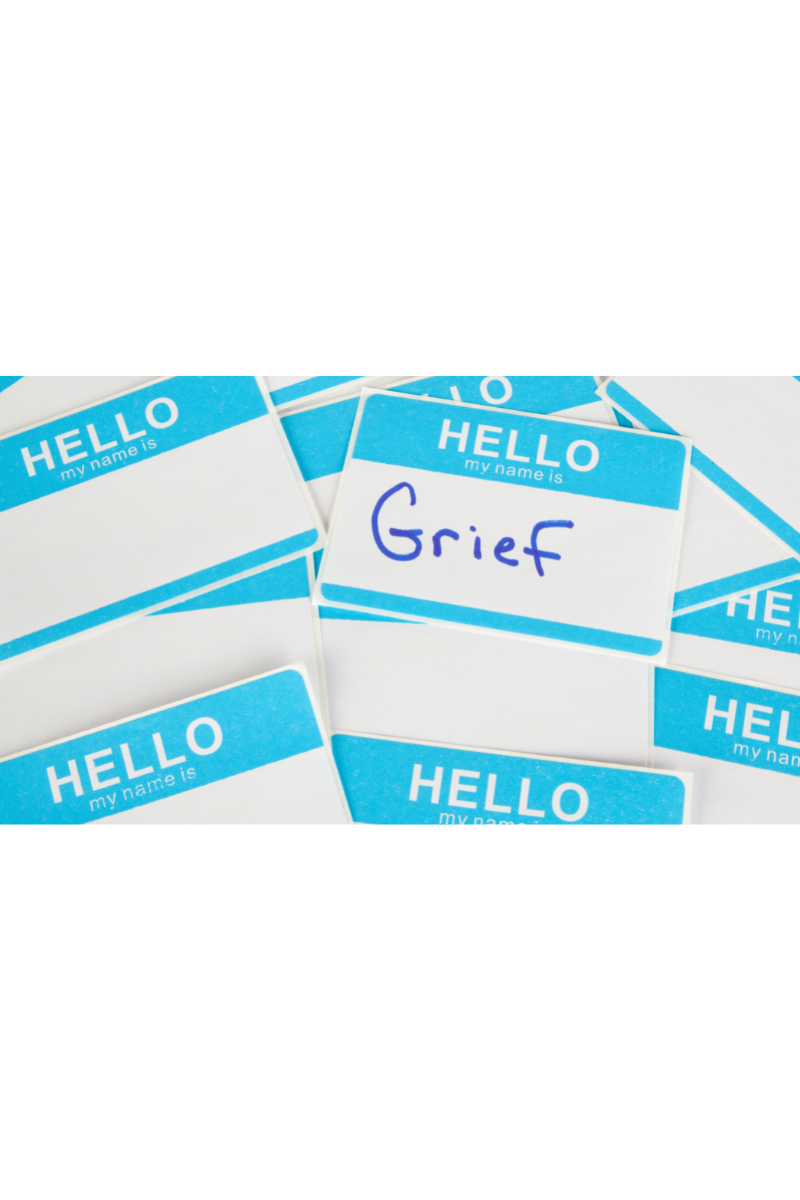
But with the third wave beginning, our mornings are again starting with panic as we check WhatsApp & social media feed. ‘Who now?’ ‘How many today?’ ‘Will it be me next?’ These questions continuously float in our minds.
Rakhi Sameer, Life Coach says, “It is OK to feel upset. It is important to validate our feelings.” As we face the tough challenge again, we must acknowledge that our mental health has been impacted. Across board, more people are seeking help.
Anxiety, depression, stress, eating disorders, mood disorders, panic attacks & obsessive-compulsive disorders are commonly being seen. They got more aggravated in the second wave because it hit closer home. Pan-India mental health helplines received wide-ranging calls – from families & friends standing outside hospitals to those distressed because of ‘survivor’s guilt’.
Mental Health concerns will get aggravated again now because we’d got into the mindset of everything returning to normal. Dr Smitha Rao, a Pranic Healer says, “More than 200 COVID patients reached out for help. COVID brought about a helpless feeling & changed their mental health stature.”
We must look out for signs of mental health concerns in ourselves & in our loved ones. Rakhi suggests watching out for any unusual signs. Studies indicate growing signs of depression amongst the elderly. Look out for your elders retreating into a shell.
In adults, it manifests as frustration. Dr Rao recommends watching out for irritability, fights etc. A few people choose dysfunctional coping strategies. Thus, watch out for drinking too early, drinking too much, smoking too much, using substances etc.

Young people are at risk of mental health concerns too. They may be exasperated or may feel they are ‘losing out on life’. Dr Rao cautions that missing out on experiences that school & social circles bring may cause a hole in their development.
A few of us have healthcare workers at home. They may be facing mental health issues too – burn-out, fatigue, secondary trauma, compassion fatigue, guilt, survivor’s guilt, PTSD. Healthcare workers may not realise it right now due to being in the thick of things but in the long term, they may need psychological support too.
So how can we work to preserve our mental health as COVID rages on?
- Both Rakhi & Dr Rao stress on the importance of exercise. It need not be a heavy-duty workout; a 15 – minute stretching would suffice too. Exercises helps in the release of feelgood hormones.
- Social support is key. Rakhi stresses on communicating with loved ones. Turn to ‘distant socialising’ – communicate with likeminded people on the internet to create music, works of art etc. or to find solutions to pressing problems.
- Write down your daily accomplishments. These can be small achievements like completing a Sudoku puzzle, making a paper craft with your child, doing a crossword with your parent, growing a flower etc. A sense of achievement alleviates your mood which, in turn, boosts your immunity.
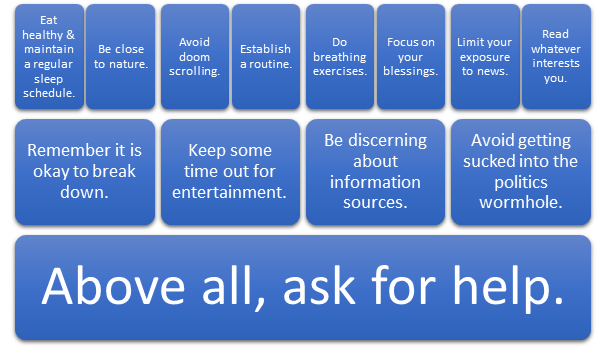
It is alright to experience joy even in moments of despair. Do not feel guilty about it. The little joys are what will help us sail through.
If you have a healthcare worker at home, apart from the suggestions above, you can try to keep them energetically high, Dr Rao recommends. Declutter their room. Light a small diya to calm them down when they return. Put a little bit of salt in their bathwater; salt disintegrates negative energy.
It is imperative we focus on our mental health. Studies suggest a fallout of the pandemic could be a mental health epidemic. But we can manage it if we acknowledge we have a concern & seek help for it in time.
If you or your loved one want to seek help, please reach out to Rakhi Sameer (+91 72510 57057) or Dr Smitha Rao (+91 99716 62523).